
When Does an Overdue Invoice Require Legal Recovery Services for Businesses in Bangalore?
- 11th November, 2026
- Ayantika Das
- 0 Comments
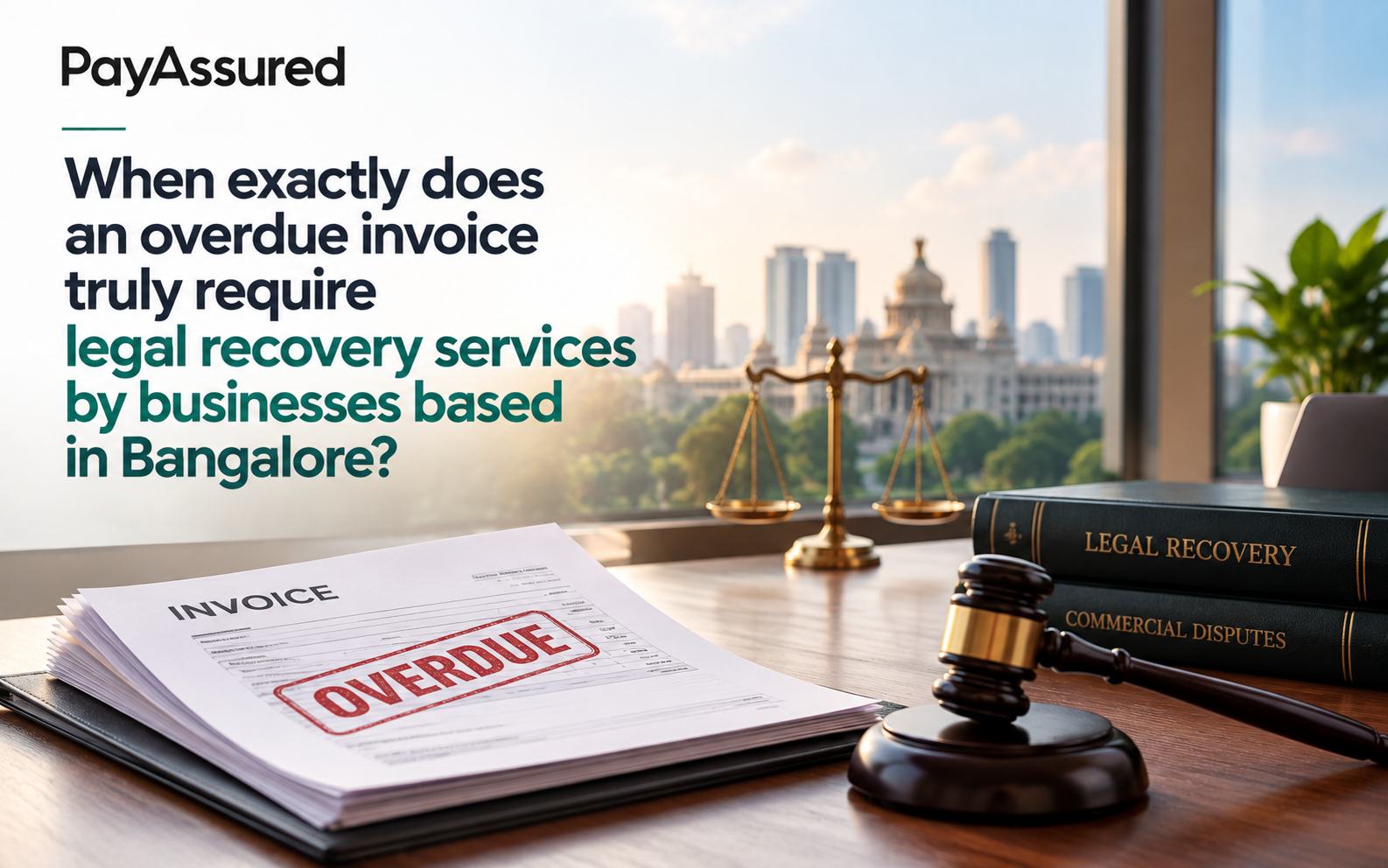
Most overdue invoices do not require a lawyer. They need an organized and structured follow-up process. However, there is a stage at which reminders and negotiation stop producing results. Businesses should understand what genuine legal recovery services in Bangalore involve and when it is appropriate to use them.
The escalation ladder explained
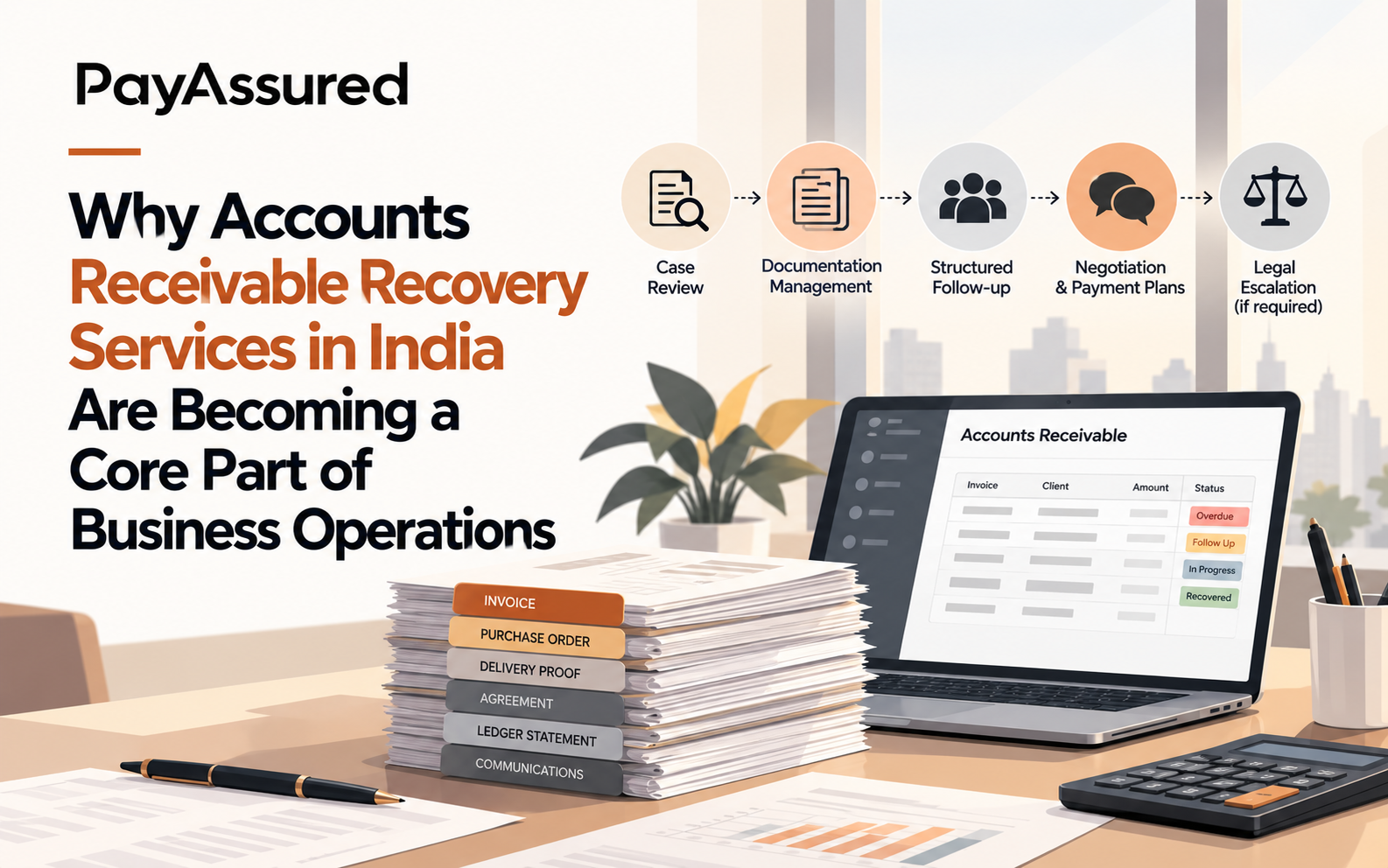
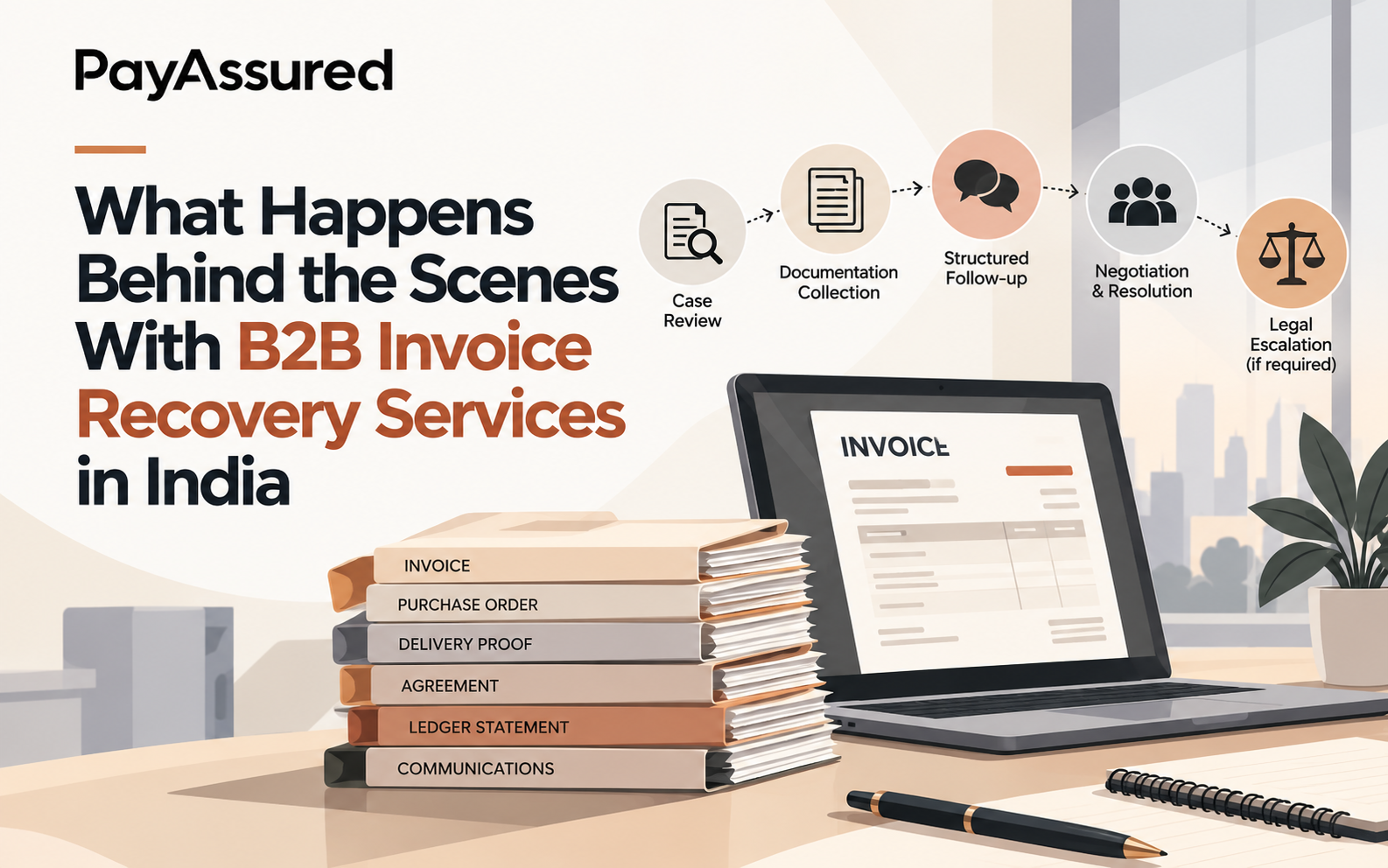
Recovery should not jump directly from a friendly reminder to a legal notice. A well-managed process includes reviewing the case, organizing documentation, conducting structured follow-ups and only then deciding whether formal escalation is appropriate. Legal recovery services are usually introduced at the final stage, after a debtor continues to avoid payment despite reasonable and professional attempts to resolve the matter.
Signs that a case may need legal-backed action
Several patterns can indicate that standard follow-up is unlikely to be enough:
- The debtor repeatedly promises payment on specific dates but fails to honour those commitments.
- Communication stops completely despite multiple structured follow-up attempts.
- The amount owed is significant enough that continued informal follow-up is no longer proportionate to the risk.
- The debtor disputes the amount without valid documentation supporting that position.
When these signs appear, legal recovery services can add credibility and structure to the escalation process.
What good legal-backed recovery actually looks like
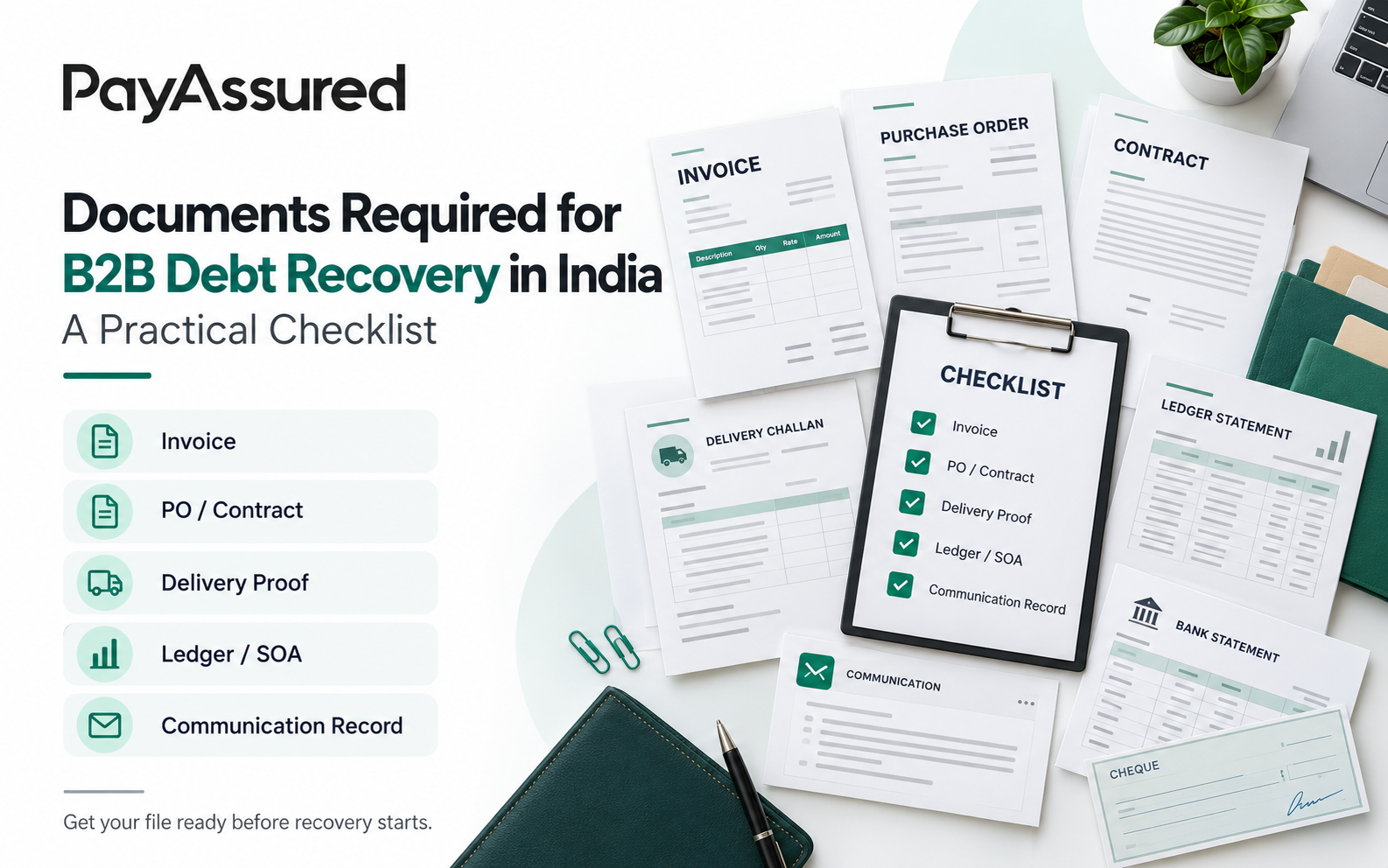
Effective legal recovery services involve more than sending a threatening notice and hoping it works. The process begins by examining the outstanding amount, invoice age, agreed terms and full record of previous communication. Any legally supported communication should rest on solid evidence, including invoices, purchase orders, proof of delivery, ledger statements and a clear history of follow-up attempts.
Why documentation matters even more at this stage
When a case reaches legal recovery, the quality of documentation becomes critical. Clear invoices, signed agreements, delivery confirmation and a consistent record of follow-up and broken promises place real pressure on a debtor because the claim is well supported. Poorly documented cases are easier to dispute or delay.
It is still about resolution, not just pressure
Legal recovery does not automatically mean filing an immediate lawsuit. Formal recovery services are often used as a serious and credible signal that encourages the debtor to settle or enter a structured payment plan without lengthy court proceedings. The objective remains efficient recovery, with legal measures used strategically rather than as the first response.
Why local expertise matters for Bangalore businesses
A provider familiar with Bangalore's business and legal environment can help a case progress more effectively. Knowledge of local commercial practices and common debtor behaviour can guide the timing and level of pressure applied during recovery.
Balancing firmness with relationship management
Businesses may still want to preserve some relationship with the debtor, particularly when future trade remains possible. Good legal recovery services balance those priorities by being firm enough to produce results without being unnecessarily aggressive or ruling out a future working relationship.
PayAssured's approach to legal-backed recovery
PayAssured provides legal recovery support to businesses in Bangalore as part of a broader step-by-step recovery process. Escalation is used selectively, supported by strong documentation and tailored to the debtor's actual behaviour rather than applied as a standard first response.
The takeaway
For most Bangalore businesses, legal action is not the first step for an overdue invoice. It becomes important when ordinary follow-up has genuinely reached its limit. Knowing when and how to use legal recovery services can determine whether a consistently unpaid invoice is eventually settled or written off.