

The Role of Data and Analytics in Modern Debt Recovery
- 15th April, 2026
- Anoop
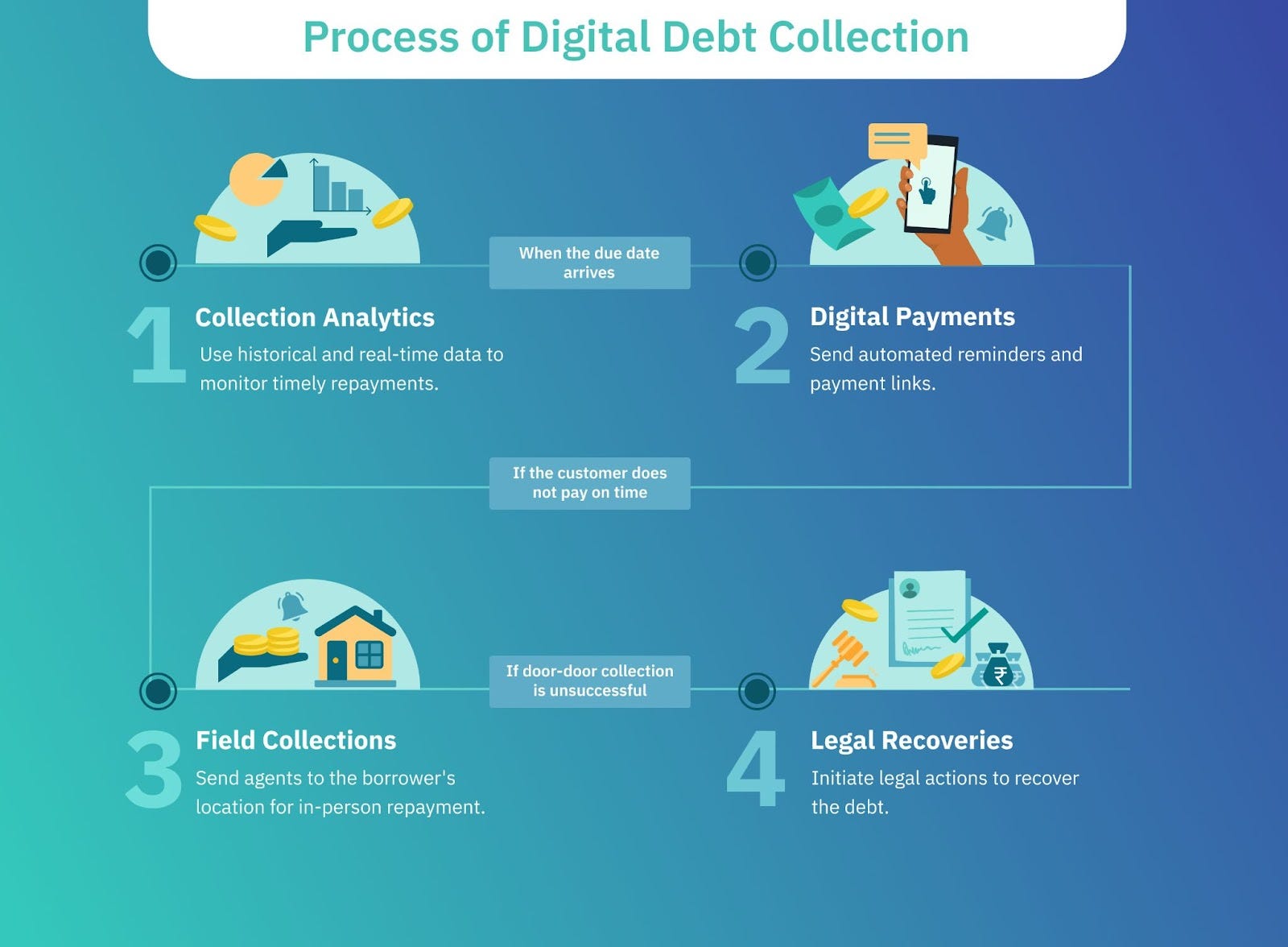
Debt recovery has traditionally been viewed as a process driven mainly by follow-ups, negotiations, and legal action. While these methods still play a role, the landscape has evolved significantly. Today, data and analytics are becoming powerful tools that help businesses recover payments more efficiently and strategically.
In modern business environments, companies generate large volumes of financial and operational data. When analyzed properly, this information reveals patterns that help businesses understand why payments are delayed and how recovery efforts can be improved.
Predictive Risk Assessment
One of the most valuable contributions of data analytics is its ability to identify high-risk accounts. By studying payment histories, transaction patterns, and client behavior, businesses can detect early warning signs of potential defaults.
For example, a client who gradually starts paying later than usual may indicate financial stress. Recognizing these patterns allows companies to take preventive action before the outstanding amount becomes difficult to recover.
Prioritizing Recovery Efforts
Not all overdue invoices require the same level of attention. Data-driven insights allow finance teams to categorize accounts based on risk levels, payment behavior, and outstanding amounts. This targeted approach ensures that recovery resources are focused where they are most needed, improving overall efficiency.
Strategic Decision Making
When businesses analyze trends in overdue payments across industries or regions, they gain valuable insights into how payment cycles actually function. These insights help companies refine credit policies, adjust payment terms, and design more effective recovery processes that are tailored to real-world behaviors.
Automation and Efficiency
Technology has made it easier to automate parts of the recovery process. Digital systems that track payment schedules, send automated reminders, and generate real-time reports provide a clearer picture of a company’s financial health. Combined with analytics, these systems reduce manual error and speed up the collection cycle.
Professional Recovery Advantage
For professional debt recovery firms, data plays an even more important role. Advanced analytics help determine the most effective recovery approach for each case - whether it involves negotiation, structured communication, or legal intervention. Analyzing historical recovery outcomes increases the probability of successful collections.
"In the digital age, data is the new currency of debt recovery. Moving from reactive chasing to proactive analytics is the future of cash flow management."
Final Thoughts
Modern debt recovery is no longer just about chasing payments. It has become a data-driven process that combines financial insight, technology, and strategic decision-making. As companies continue to digitize their operations, the role of data in debt recovery will only grow stronger.
Those who embrace analytics will not only recover outstanding payments more effectively but will also build more resilient financial systems for the future.