
Your Invoice Is Overdue – Now What? A Practical Guide to Getting Paid Without Losing the Client
- 15th April, 2026
- Ayantika Das
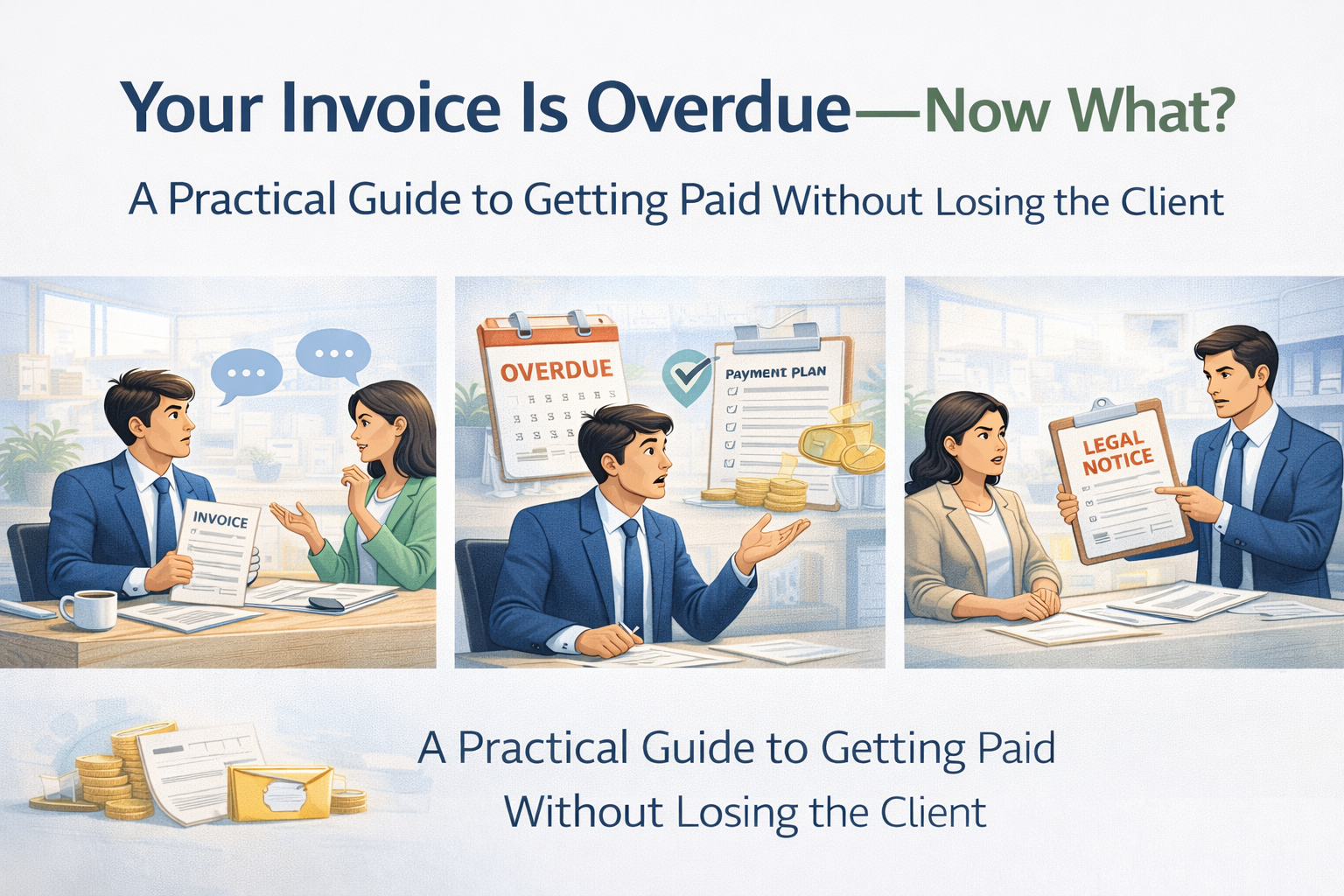
At some point, almost every business faces this situation. The work has been completed, the invoice has been sent, and the agreed payment date has quietly passed. A few days go by, then a few weeks. The client, who once responded instantly, now replies slowly or not at all.
This is where most businesses get stuck. They know the payment needs to be recovered, but they also don’t want to damage the relationship. The challenge is not just recovering the money - it’s doing it without burning bridges.
The Waiting Game
The first mistake many companies make is waiting too long before taking action. There’s often an assumption that the client will eventually pay, especially if the relationship has been good. But the longer an invoice remains unpaid, the less urgent it becomes. Acting early doesn’t mean being aggressive; it means staying consistent and professional.
Tone and Communication
When businesses do follow up, the tone makes all the difference. A harsh message can put the client on the defensive, while a vague reminder can be ignored. The balance lies in being firm but respectful. A well-worded follow-up that clearly mentions the invoice details and a request for a specific timeline tends to get better responses.
Structured Follow-ups
Many companies send random reminders without a clear plan. From the client’s perspective, this inconsistency reduces pressure. On the other hand, a structured approach - regular follow-ups and documented communication - creates a sense of accountability. It subtly communicates that the matter is being tracked seriously.
Knowing When to Escalate
There’s a point where businesses need to shift from informal follow-ups to a more formal approach. Changing the tone or involving a formal communication, such as a legal notice, often changes how the client perceives the situation. It signals that you are serious about recovering the payment without necessarily starting a dispute.
Understanding the Client
Not every delay is intentional. Some businesses may be facing genuine cash flow issues. In such cases, a practical solution like a structured payment plan can help recover the amount while preserving the relationship. The goal is to find a way to close the matter efficiently for both sides.
"Professionalism in recovery is just as important as professionalism in service delivery. Getting paid is a right, but how you ask for it determines your future business."
Final Thoughts
What separates businesses that successfully recover payments is approach. They treat payment recovery as a process, not an afterthought. They communicate clearly, act early, and know when to escalate. Professionalism in recovery ensures you get your funds while keeping your clients.